Restoring Vintage Hand Tools
Documented processes for cleaning, sharpening, and reviving old tools — from estate-sale finds to workshop drawers across Canada.
Process Documentation
Step-by-step records of tool restoration — covering the most common vintage hand tools found in Canadian workshops and flea markets.
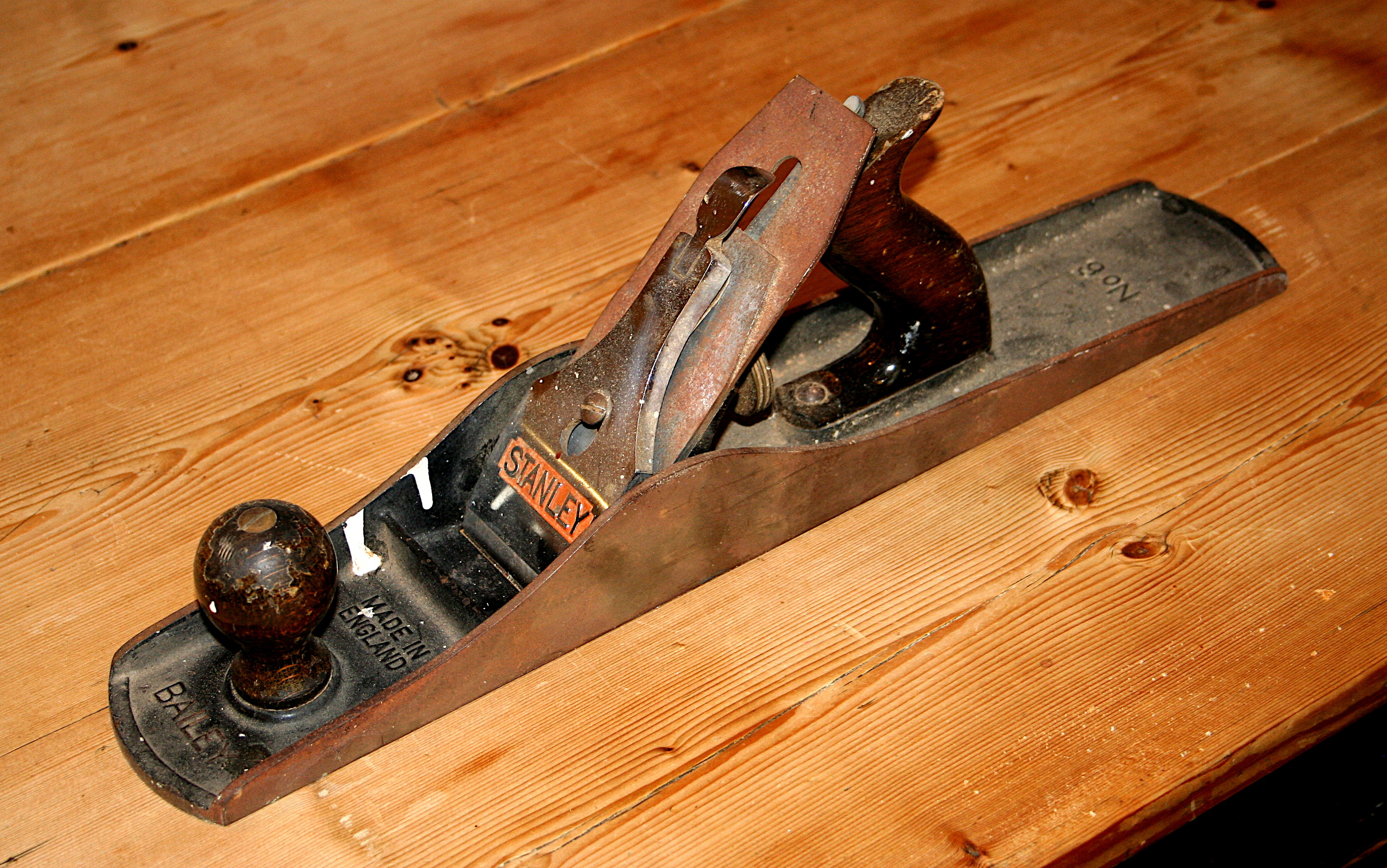
How to Clean and Restore a Hand Plane
Disassembly, rust removal, flattening the sole, and reassembly of a vintage bench plane — documented from a Stanley No.6 found at a Burlington estate sale.

Sharpening Chisels and Plane Irons
A practical sequence for working a bevel-edge chisel from coarse to polished — using water stones, sandpaper, and a leather strop.
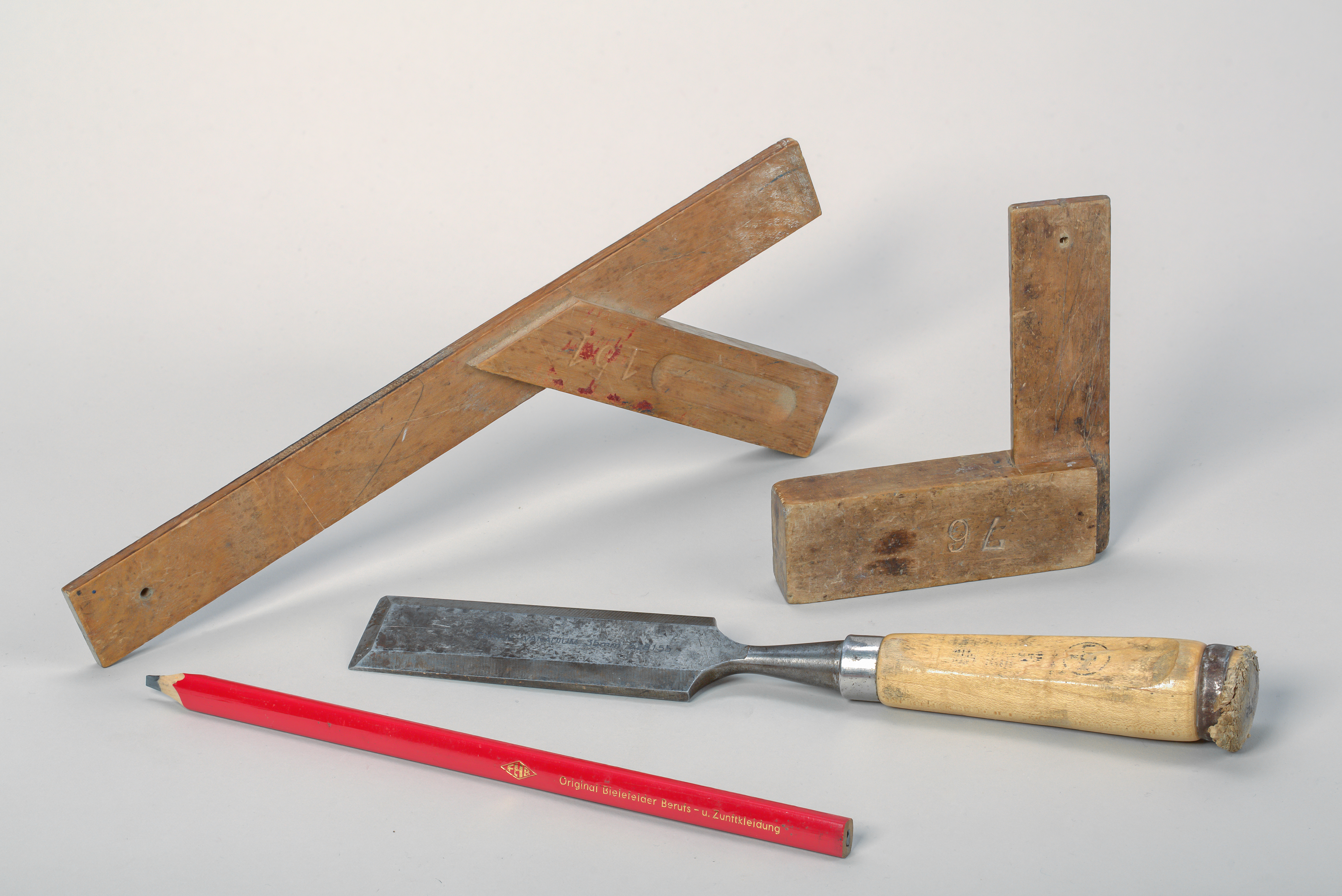
Removing Rust from Old Hand Saws
Methods for removing surface rust, cleaning saw plates, and refreshing handles on panel saws and rip saws from the early 20th century.
Old Tools, Practical Reasons
Vintage hand tools were built to last. Most failures are surface-level — rust, grime, and dull edges — and respond well to straightforward treatment.
Steel Quality
Pre-1960s tool steel — particularly from Sheffield and early Stanley production — holds an edge longer than most modern equivalents. The effort to restore is often well repaid in cutting performance.
Common Finds in Canada
Estate sales in Ontario, Quebec, and British Columbia regularly surface Stanley Bailey planes, Disston saws, and Witherby chisels from the early twentieth century. Prices vary widely depending on condition and awareness.
Reversible Process
Most cleaning and sharpening steps are non-destructive. Removing rust with evaporated phosphoric acid or mechanical abrasion does not alter the steel's geometry if done carefully.